
"heat energy"
600 article(s) found

Paulig Muki Innovates Smart Coffee Cups Powered by Hot Coffee Energy Conversion Screens
Paulig Muki has added electronics to the base and an electronic ink display to the cup. How does it work? Paulig Muki has a TEG electronic component at the bottom of the cup. When hot coffee is poured, heat is transferred to the TEG and converted into electricity to drive the electronic ink screen. When the temperature sensing element detects that the temperature of the cup body rises, the electronic ink display screen will
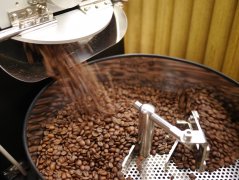
Advantages and disadvantages of roaster single coffee
The characteristics of garden beans to roast coffee beans as they understand them. There are three types of coffee roasters on the market: Direct Fire Roaster, Half Hot Air Roaster, Hot Air Roaster, and there are a variety of commercial coffee bean roasters. Such as PROBAT, Diedrich, San Franciscan, Toper, Garan

Probat Factory Concept (Part 1)
PROBAT is constantly innovating in the development and manufacture of coffee roasting equipment and roasting plant technology. This is inextricably linked to PROBAT's goal of keeping every coffee bean in peak condition. PROBAT is committed to developing and manufacturing coffee roasting equipment and roasting plant technology.

How many kinds of coffee roaster are there? advantages and disadvantages of coffee roaster
There are three types of coffee roasters on the market: Direct Fire Roaster, Half Hot Air Roaster, Hot Air Roaster, and there are a variety of commercial coffee bean roasters. Such as PROBAT, Diedrich, San Franciscan, Toper, Garanti, Has Garanti, Joper, Proater, Lori

PIXIE series coffee machine
Compared with the previous CitiZ, the PIXIE can heat water in 25 seconds and make a cup of coffee in a very short time, compared with 55 seconds for the previous PIXIE. Power saving is another highlight of PIXIE. Pixie shuts down automatically after 9 minutes without operating instructions, which reduces energy consumption by 40% compared with similar environmentally friendly A-class coffee machines. It is currently the most energy-saving coffee machine in Nespresso, Nes.

Would you buy a coffee machine like this?
A machine that can cause new thinking in the coffee maker industry is called La Fenice, which is the world's first inductive coffee machine, and the coffee machine is heated by an electromagnetic induction heater. according to the inventors, the machine can save 80% energy with the same heating, which is undoubtedly a shock to the coffee machine and water dispenser industry. A machine that can cause new thinking in the coffee maker industry.
Environmental protection decoration of Taipei coffee shop saves 30% of electricity bill.
There is a super-energy-saving coffee shop in Taipei. On the roof, operators choose energy-saving thermal insulation panels, coupled with wood decoration, and replace the lamps with corrugated paper lamps. Even Rain Water can recycle and reuse, saving 30% of the electricity bill every month, which is very environmentally friendly. There are electricity-saving people in southern Taiwan and green electricity-saving coffee shops in northern Taiwan. in general, when cement buildings are exposed to the west, the indoor temperature will

Paulig Muki innovative intelligent coffee cup driven by hot coffee energy conversion screen
Paulig Muki, this smart coffee cup can surprise you every time you drink coffee. Relevant electronic components are added to the Paulig Muki base, and an electronic ink display screen is added to the cup body. How does it work? There is a TEG electronic component at the bottom of the Paulig Muki cup. When the hot coffee is poured, the heat is transferred to the TEG and transferred.
Basic chemical reactions that occur during coffee roasting
Many thermal and chemical reactions take place during baking: decarbonation, dehydration of quinic acid, fragmentation, isomerization, polymerization, and complex sugar reactions (caramelization). The main thermally reactive components are monosaccharides and sucrose, chlorogenic acid, displaced amino acids, and trigonelline amide. Both aravinone and calactose in polysaccharides are transferred, and basic sulfurization contains hydroxyamino acids.
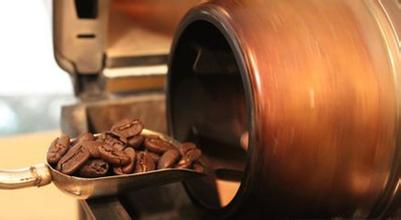
Coffee technical operation: explanation of professional terms related to coffee roasting and coffee roaster
[guide] Post-burner A device that uses a high-energy burner to reburn the smoke generated by a coffee roaster to eliminate smoke. At the same time, it can reduce the smell. A stainless steel basket used by the silver skin of the Fujiga machine dust collector. A device capable of reburning the smoke produced by the coffee roaster with a high heat energy burner to achieve the smoke elimination effect.

Would you buy a coffee machine like this? The world's first inductive coffee machine
A machine that can cause new thinking in the coffee maker industry is called La Fenice, which is the world's first inductive coffee machine, and the coffee machine is heated by an electromagnetic induction heater. according to the inventors, the machine can save 80% energy with the same heating, which is undoubtedly a shock to the coffee machine and water dispenser industry. A machine that can cause new thinking in the coffee maker industry.
The basic chemical reaction of coffee roasting process
Many thermal and chemical reactions take place during baking: decarbonation, dehydration of quinic acid, subdivision, isomerization, polymerization, and complex sugar reactions (caramelization). The main components of the thermal reaction are monosaccharides and sucrose, chlorogenic acid, free amino acids, and fenugreek amide. Both aravinose and calactose in the polysaccharides are transferred, and the basic vulcanization contains hydroxylated amino acid.
The basic chemical reaction that takes place during coffee roasting.
Many thermal and chemical reactions take place during baking: decarbonation, dehydration of quinic acid, subdivision, isomerization, polymerization, and complex sugar reactions (caramelization). The main components of the thermal reaction are monosaccharides and sucrose, chlorogenic acid, free amino acids, and fenugreek amide. Both aravinose and calactose in the polysaccharides are transferred, and the basic vulcanization process includes hydroxylamine.

The basic chemical reactions that take place during coffee roasting
Many thermal and chemical reactions take place during baking: decarbonation, dehydration of quinic acid, subdivision, isomerization, polymerization, and complex sugar reactions (caramelization). The main components of the thermal reaction are monosaccharides and sucrose, chlorogenic acid, free amino acids, and fenugreek amide. Both aravinose and calactose in the polysaccharides are transferred, and the basic vulcanization process includes hydroxylamine.

Basic chemical reactions of coffee beans during coffee roasting
Many thermal and chemical reactions take place during baking: decarbonation, dehydration of quinic acid, subdivision, isomerization, polymerization, and complex sugar reactions (caramelization). The main components of the thermal reaction are monosaccharides and sucrose, chlorogenic acid, free amino acids, and fenugreek amide. Both aravinose and calactose in the polysaccharides are transferred, and the basic vulcanization process includes hydroxylamine.

The basic chemical reactions that take place during coffee roasting
Many thermal and chemical reactions take place during baking: decarbonation, dehydration of quinic acid, subdivision, isomerization, polymerization, and complex sugar reactions (caramelization). The main components of the thermal reaction are monosaccharides and sucrose, chlorogenic acid, free amino acids, and fenugreek amide. Both aravinose and calactose in the polysaccharides are transferred, and the basic vulcanization process includes hydroxylamine.

The basic chemical reactions that take place during coffee roasting.
Many thermal and chemical reactions take place during baking: decarbonation, dehydration of quinic acid, subdivision, isomerization, polymerization, and complex sugar reactions (caramelization). The main components of the thermal reaction are monosaccharides and sucrose, chlorogenic acid, free amino acids, and fenugreek amide. Both aravinose and calactose in the polysaccharides are transferred, and the basic vulcanization process includes hydroxylamine.
The basic chemical reaction of coffee technology in the process of coffee roasting
Many thermal and chemical reactions take place during baking: decarbonation, dehydration of quinic acid, subdivision, isomerization, polymerization, and complex sugar reactions (caramelization). The main components of the thermal reaction are monosaccharides and sucrose, chlorogenic acid, free amino acids, and fenugreek amide. Both aravinose and calactose in the polysaccharides are transferred, and the basic vulcanization process includes hydroxylamine.

Professional coffee roasting | is the stability of the bean roaster the same as the reproducibility of different pots?
Professional coffee knowledge exchange more coffee bean information please pay attention to coffee workshop (Wechat official account cafe_style) coffee roasting coffee bean roasting coffee roasting training bean roaster stability and different pot reproduction (system), can you draw the equal sign? I did not deliberately copy a certain pot, because to turn each baking into a precise mechanized action, to me
Analysis of roasting of fully washed beans in Papua New Guinea Kimel. How to bake Papuan coffee beans?
More information about coffee beans Please follow Coffee Workshop (Wechat official account cafe_style) Wahgi Valley Kimel Fully Washed Kimel, located in the town of Banz, near the Mount Hagen Mountains in Papua New Guinea, has a long history of producing high quality island coffee, and this coffee is no exception. This is a great new version of PNG Papua.